
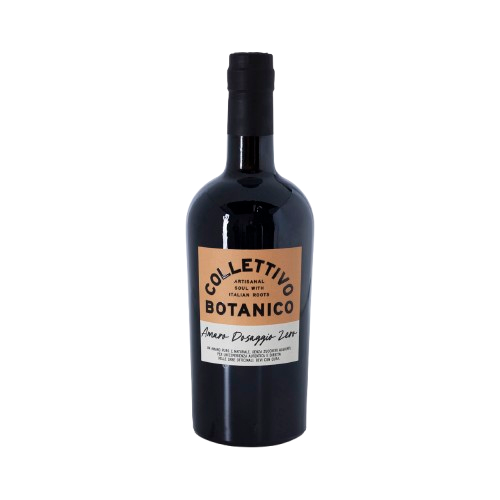


Assenzio
27,00 € Excluded Taxes
Out of stock
Description
ABSINTHIUM
Alcohol content 20%
The word absinthe, which is the Germanization of the French word “absinthe”, which originally meant “wormwood”, goes back to the Latin word “absinthium”, or the ancient Greek word “apsinthion”, which also meant wemut. Wormwood belongs to the genus “Artemisia” (mugwort), whose representatives grow in the temperate climates of the northern hemisphere. Many species of these fragrant plants have a long tradition as medicinal plants and are already mentioned in the “Papyrus Ebers”, an ancient Egyptian papyrus on medicine, in texts dating from 3550 to 1550 BC. The origin of absinthe goes back to the use of Artemisia herbs in tinctures and extracts, which were already mentioned by the ancient Greeks “Theophrastus” and “Hippocrates” or recommended by “Hildegard von Bingen” as a deworming agent.
The recipe for today’s absinthe was created in the second half of the 18th century in the Val-de-Travers, today’s Swiss canton of Neuchâtel. While the original place of manufacture is certain, different people are named as the originators of the original recipe depending on the sources. The French doctor Dr. Pierre Ordire, who moved to Couvet (Switzerland) in 1792 before the French Revolution, is said to have invented absinthe using medicinal herbs from the region that the country’s doctors at the time used to make natural remedies, and whose use he knew from antiquity. While experimenting with plants, he began to use many other herbs, such as anise, hyssop, dittamus, acoro and lemon balm, in addition to absinthe (wormwood), and made the “élixir d’absinthe” for his patients.
There is an Italian tradition dating back to 1700, which uses low-alcohol absinthe, and this is what our absinthe draws on.
Our absinthe therefore has the multiple advantages of being an aperitif, but also being recommended for any light, elegant meal, as well as offering a full-bodied finish at the end of a meal.
Contents 0.5 l
Organoleptic properties
Liqueur based on absinthe (Artimisia absinthium L.) and its recipe is made by mixing it with 9 other Mediterranean, aromatic herbs. Sweet and bitter at the start, our absinthe quickly spreads its aroma culture explosively, with aniseed, with its slight intensity, particularly appealing to the palate, before concluding with a persistent, but light and above all pleasantly bitter finish, leaving a lasting impression.
Also excellent in mixology, this excellent liqueur is particularly recommended at the end of a meal, either as a bitter for its lasting taste or in a cocktail on the rocks.
You must be logged in to post a review.
Related products
-
- Liquors
Vecchio Amaro del Capo – 0,7 L
- 16,90 € Excluded Taxes
- Add to Cart
-
- Liquors
Marroncino
- 27,00 € Excluded Taxes
- Add to Cart
-
- Out of Stock
- Liquors
Grappa Abbazia
- 25,50 € Excluded Taxes
- Add to Cart
-


Reviews
There are no reviews yet.